Opioid Response Network: Collaborating, Advancing, Responding, Education

This educational activity aims to address the gaps in knowledge, skills, and competency among family physicians in managing substance use disorders (SUDs). By providing comprehensive training and resources on stigma reduction, harm reduction strategies, and integrated care models, the activity will enhance physicians’ ability to deliver equitable, high-quality care, particularly to marginalized communities. Additionally, the activity will equip family physicians with practical tools and evidence-based approaches for SUD prevention, early intervention, and treatment in community settings, ultimately improving health equity and patient outcomes. At the end of this activity, learners will be able to:
- Analyze the impact of stigma and implicit bias on the care of patients with substance use disorders (SUDs), particularly in marginalized communities, and identify strategies to foster a culturally responsive and equitable approach.
- Implement harm reduction strategies, including evidence-based interventions, to support patients with SUDs in achieving better health outcomes and minimizing risks.
- Evaluate integrated care models and system-level approaches to enhance coordination between primary care, behavioral health, and community-based services for managing SUDs effectively.
- Apply practical tools and evidence-based approaches for SUD prevention, early intervention, and treatment in community-based primary care settings to improve patient outcomes.
This Enduring CME course will be available from May 1, 2026–May 1, 2027.
The AAFP has reviewed Kansas- Opioid Response Network: Collaborating, Advancing, Responding, Education – Enduring and deemed it acceptable for up to 1.00 Enduring Materials, Self-Study AAFP Prescribed credit(s). Term of Approval is from 05/01/2026 to 05/01/2027. Physicians should claim only the credit commensurate with the extent of their participation in the activity.
This educational activity is supported by an educational grant to the American Academy of Family Physicians from the Substance Abuse and Mental Health Services Administration (SAMHSA).
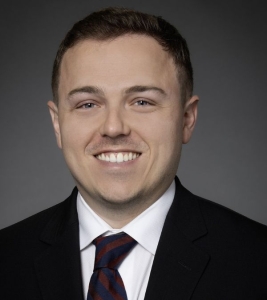
Meet the Speaker
Dr. Elliott Brady is a family physician who is committed to providing and advocating for evidence-based, equitable, compassionate and nonjudgmental medical care for those who use substances. He completed a fellowship in addiction medicine, gaining expertise in inpatient and outpatient management of substance use disorders including assessment, diagnosis, treatment and linkage to care for patients with substance use disorders and withdrawal syndromes. Dr. Brady’s current practice includes outpatient primary care for patients with substance use disorders, outpatient substance use disorder management for those who seek addiction specialty care, and inpatient addiction consultation services for those admitted to the hospital who would like to start addiction treatment while admitted. He strongly supports harm reduction principles.
He completed medical school and a Master of Public Health at the University of Kansas School of Medicine, family medicine residency at Lancaster General Hospital in Lancaster, Pennsylvania, and addiction medicine fellowship at Montefiore Medical Center in the Bronx, New York City. Dr. Brady has practiced in various settings, serving primarily marginalized, publicly insured, and uninsured individuals in Lancaster, the Bronx, and now the Kansas City metro. He stays actively involved in medical student, resident and fellow education, developing lectures and teaching in each practice setting.